
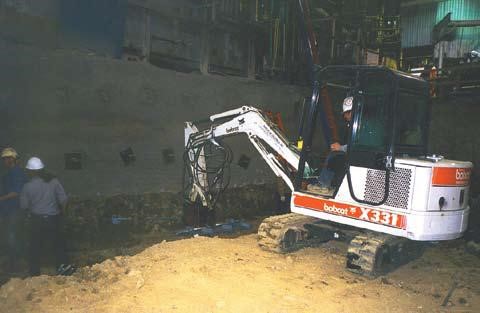
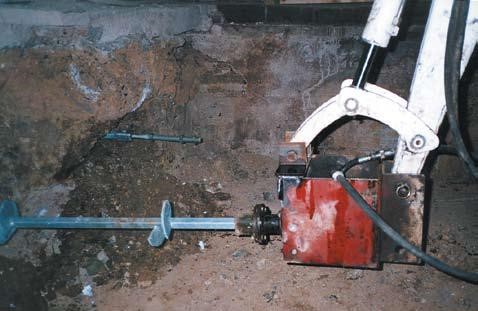
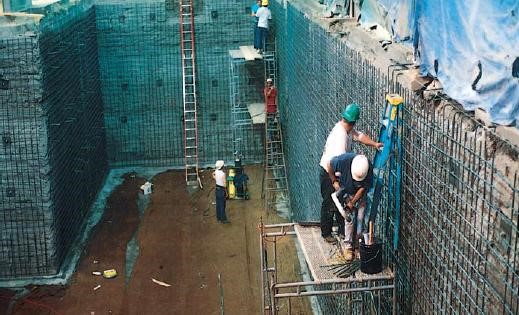
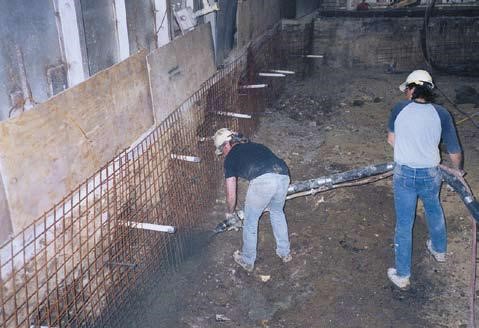
<p><p><dl id="attachment_1554" class="wp-caption alignnone" style="width: 300px;"> <dd class="wp-caption-dd"><div class="mceTemp"><div class="mceTemp"><div class="mceTemp"><div class="mceTemp"><div class="mceTemp"><div class="mceTemp"></p><p><figure id='attachment_1554' style='max-width:479px' class='caption aligncenter'><img class="wp-image-1554 size-full" src="https://www.geoinstitute.org/sites/default/files/geotech-tools-uploads/…; alt="Photograph of equipment used to install screw-in soil nails." width="479" height="312" /><figcaption class='caption-text'> Screw-In Soil Nailing. Photograph courtesy of Hubbell Incorporated, from http://www.abchance.com/resources/case-histories.asp</figcaption></figu… soil nailing uses a helical soil nail to insert passive inclusions (soil nails) into the ground as a temporary or permanent earth retention system so that the strength and stability of treated ground or slope can be improved. Advantages include rapid construction, easy monitoring and testing, construction with lighter equipment and in less space than other systems, and ability to withstand large deformations. This technique is applicable to roadway and embankment widening.</p><p>
