
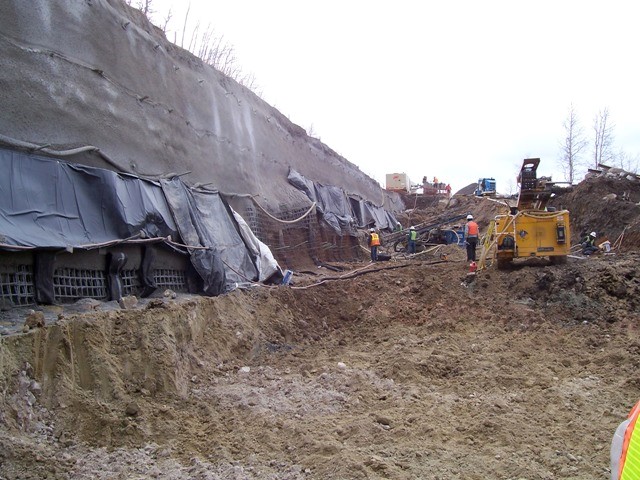
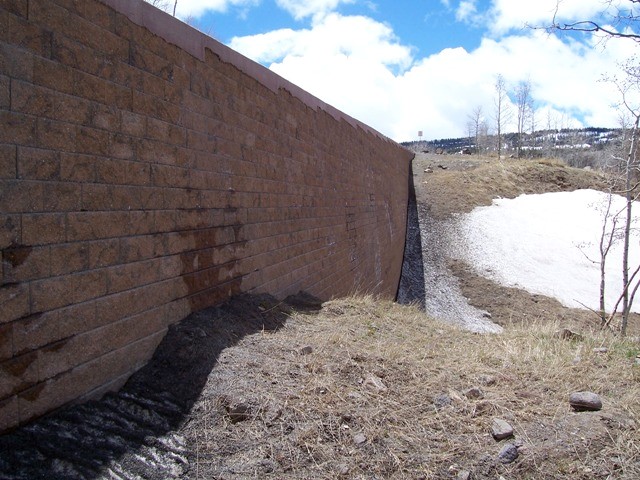
<p><p> </p><p><figure id='attachment_2748' style='max-width:498px' class='caption alignnone'><img class="wp-image-2748" src="https://www.geoinstitute.org/sites/default/files/geotech-tools-uploads/…; alt="Schematic diagram showing a shored mechanically stabilized earth wall system. The shored portion of the wall is on the left and the mechanically stabilized earth wall is on the right." width="498" height="339" /><figcaption class='caption-text'> Morrison, K.F., Harrison, F.E., Collin, J.G., Dodds, A., and Arndt, B. (2006)</figcaption></figure></p><p><figure id='attachment_2747' style='max-width:498px' class='caption alignnone'><img class="wp-image-2747" src="https://www.geoinstitute.org/sites/default/files/geotech-tools-uploads/…; alt="Photograph showing the construction of a shored mechanically stabilized earth wall." width="498" height="341" /><figcaption class='caption-text'> Morrison, K.F., Harrison, F.E., Collin, J.G., Dodds, A., and Arndt, B. (2006), Shored Mechanically Stabilized Earth (SMSE) Wall Systems Design Guidelines. Report No. FHWA-CFL/TD-06-001. FHWA.</figcaption></figure></p><p>This technique combines soil nailing and mechanically stabilized earth walls to create a composite retaining wall system. Advantages include minimal disturbance, reduced lateral load on MSE wall systems, and use where space is limited. This technique is primarily used for widening of existing roads in mountainous terrain.</p><p>

